
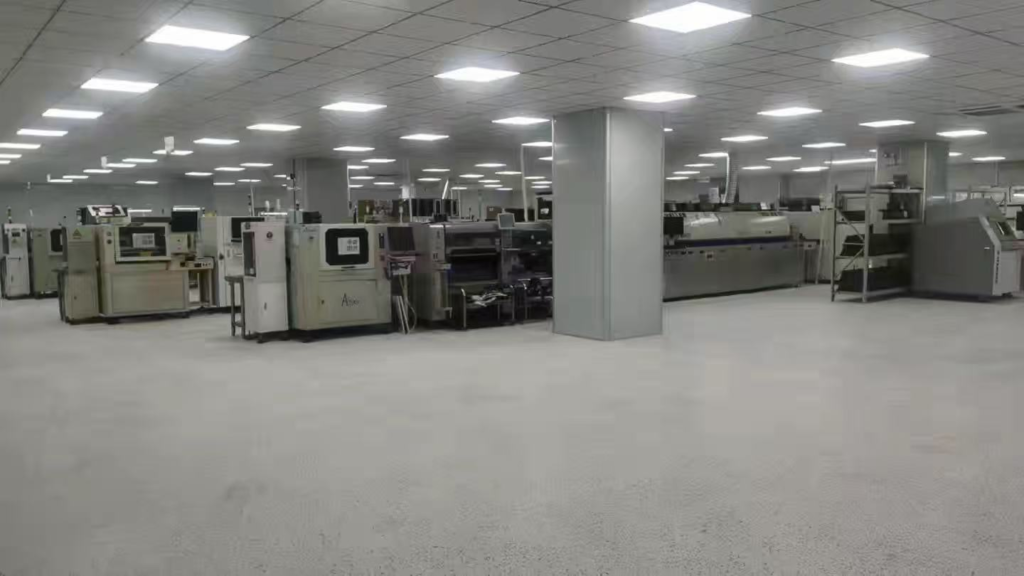
Step inside our factory and see how your PCB assembly is really built.When you outsource PCB assembly, you are trusting a factory you cannot see to build the heart of your product. You ask yourself: Are the boards assembled by real professionals? Is the equipment modern? Will the quality be consistent order after order?
This article takes you inside the Volectronics Tech Co., Ltd SMT workshop in Shenzhen, step by step — from a bare board to a tested, ready-to-ship PCBA. No staged marketing shots; this is how your boards are actually built.
Step 1: Solder Paste Printing
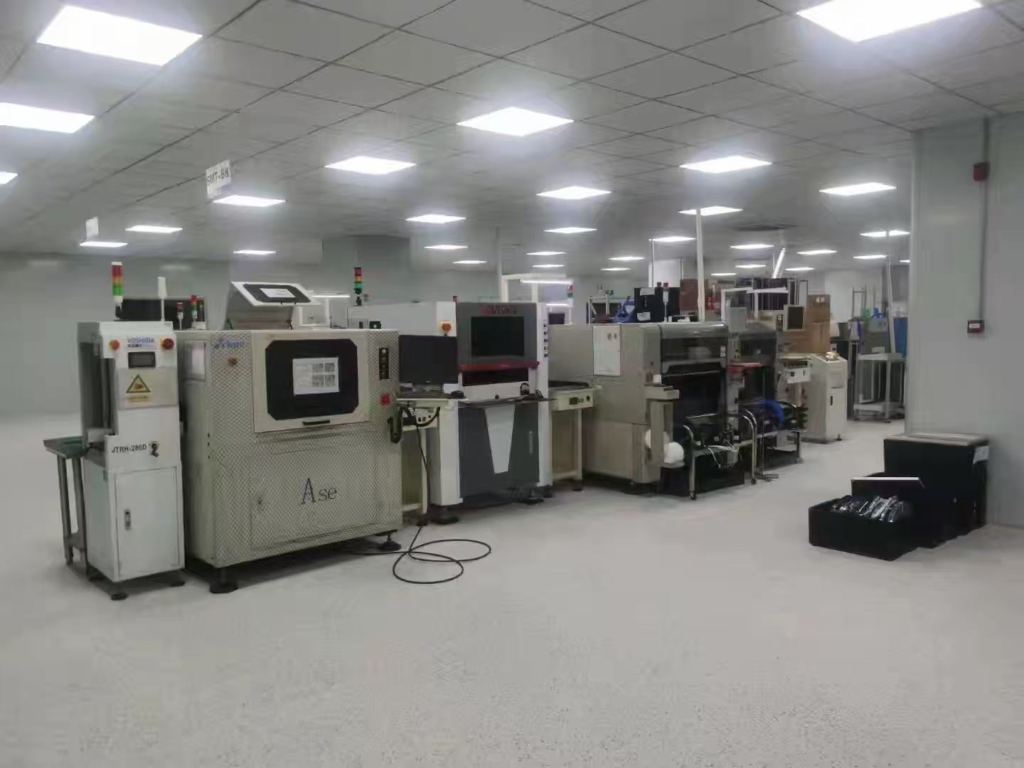
Every assembly begins with a bare PCB and solder paste. A stencil printer deposits a precise amount of solder paste onto the board’s pads — exactly where components will later sit. The thickness and alignment here determine whether the whole board solders correctly, so this step is done on a dedicated printer, not by hand.
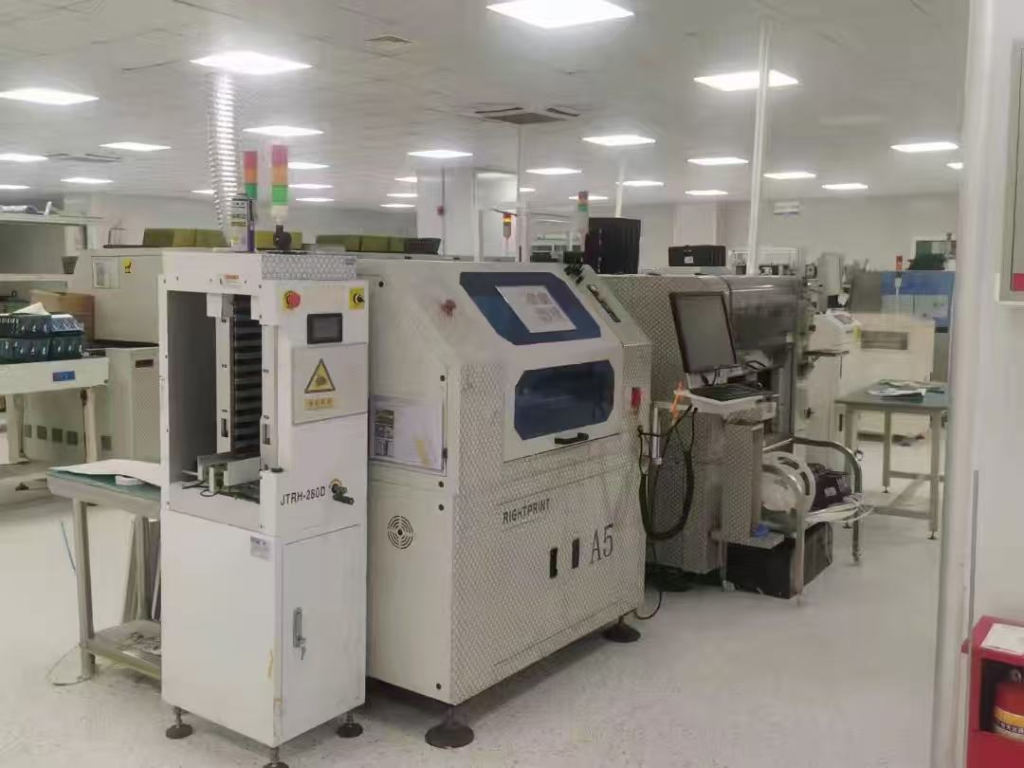
In our workshop, printing is performed on calibrated equipment and inspected before the board moves forward. A poorly printed board never reaches the placement line.
Step 2: SMT Component Placement
Next, the pasted board enters the SMT (Surface Mount Technology) placement line. High-speed pick-and-place machines feed thousands of components per hour onto the board, positioning resistors, capacitors, ICs and connectors onto their pads with sub-millimeter accuracy.
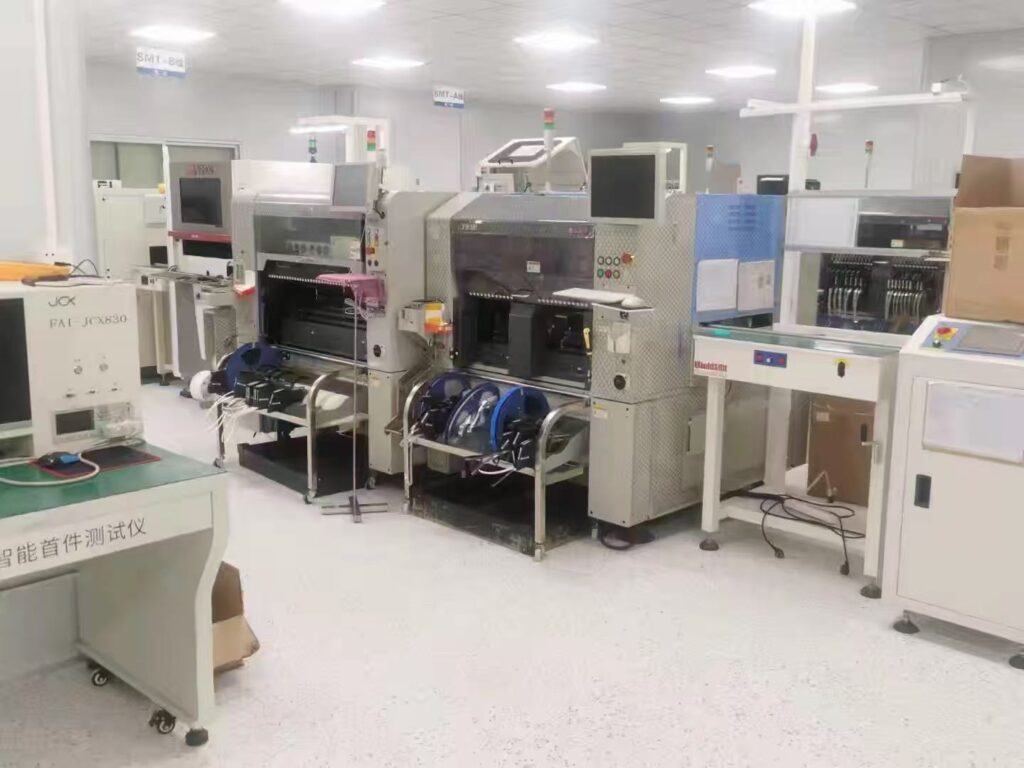
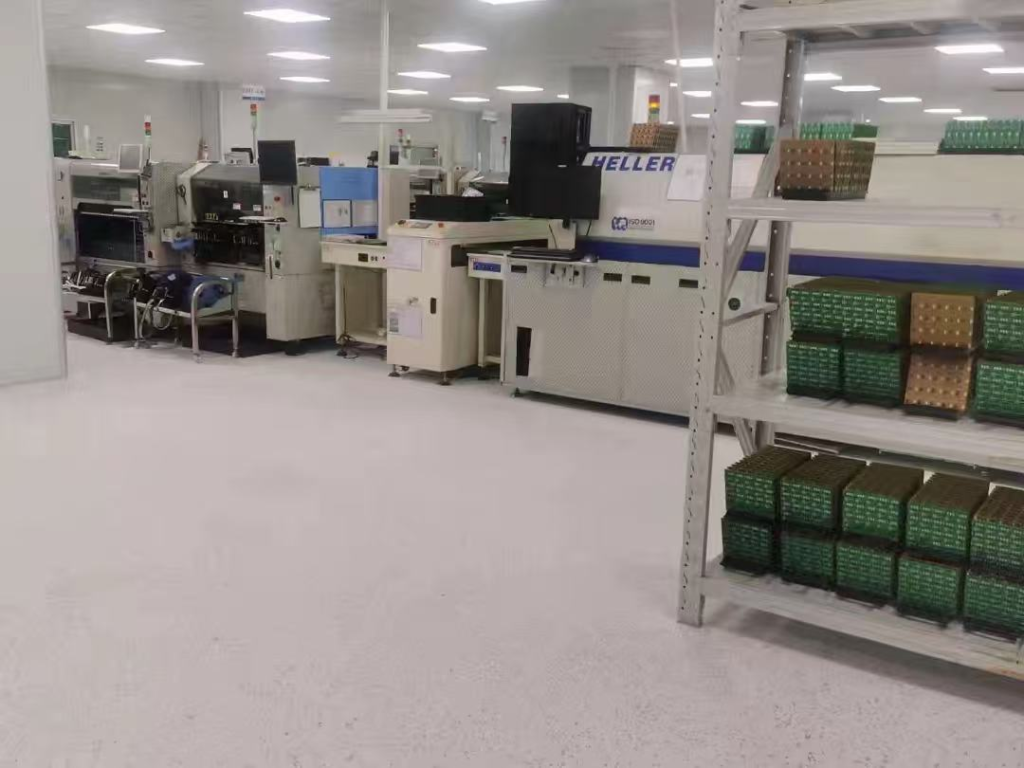
Step 3: Reflow Soldering
Once components are placed, the board travels through a reflow oven. Controlled heating melts the solder paste, permanently bonding each component to the board. The temperature profile — ramp, soak, reflow and cooling — is carefully set for the specific board and solder used, so joints form cleanly and reliably.
Step 4: Inspection and Testing
A soldered board is not finished until it has been verified. This is where your quality is protected. Depending on the product’s requirements, boards pass through one or more of these checks:
- AOI (Automated Optical Inspection)— a camera system inspects every solder joint for defects like bridges, voids, or misplaced components.
- X-Ray inspection— for BGAs and hidden joints that cannot be seen from above, X-ray confirms the connections are sound.
- FAI (First Article Inspection)— on the first board of a batch, a smart tester verifies components, values and placement against the BOM before production runs.
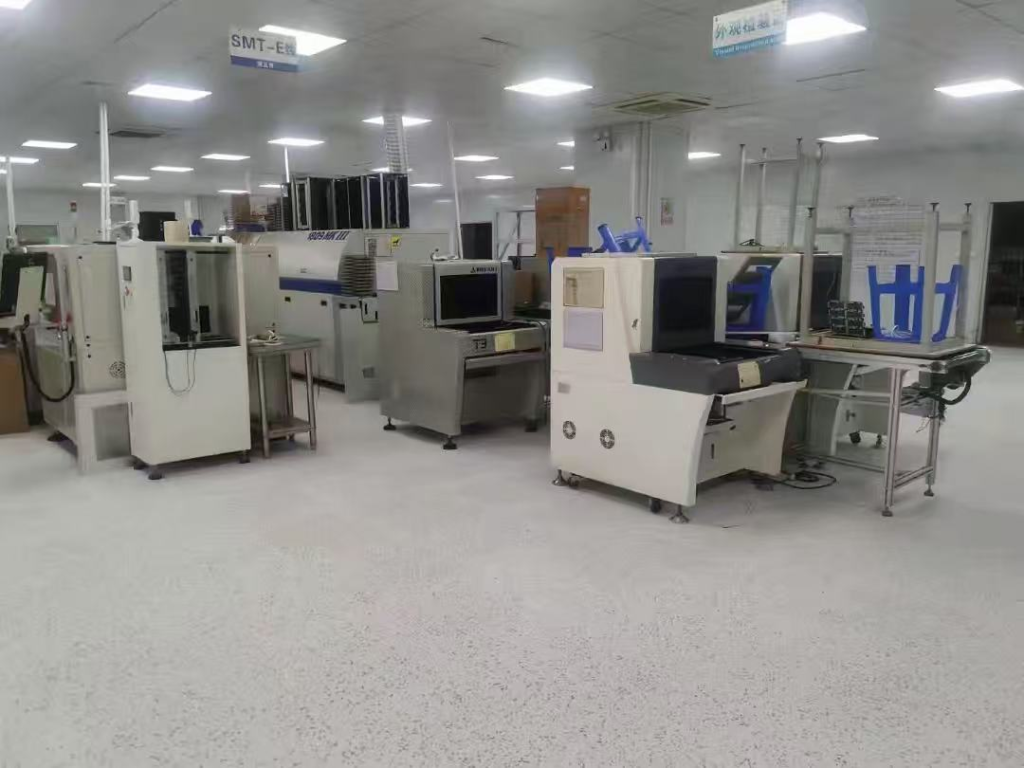
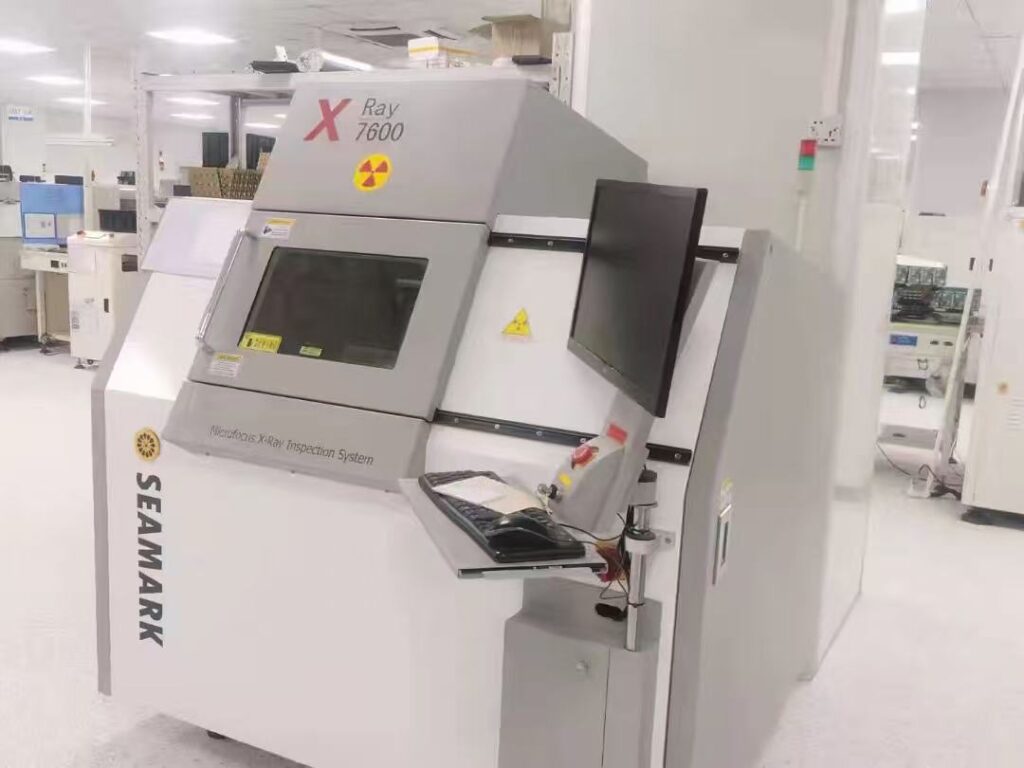
Only after these checks pass does a board qualify as a PCBA ready for your product.
✔ A Clean, Controlled Environment Matters
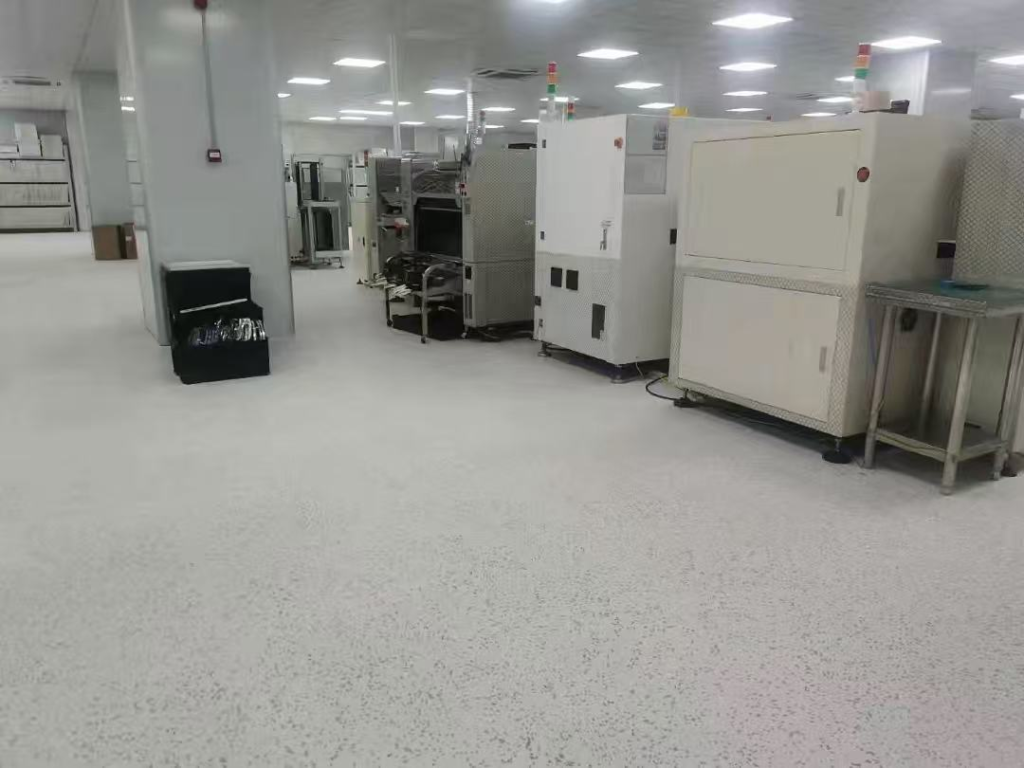
Reliability is not just about machines — it is about the environment they run in. Our SMT workshop is a clean, ESD-protected (electrostatic-discharge-protected) area with anti-static flooring and controlled conditions. This matters because sensitive electronic components can be damaged by dust or static charges that are invisible to the eye. A controlled environment protects your boards from the moment they enter the line.
✔ What This Means for You
Everything you just read is real — it’s the daily reality inside our factory.Walking through the line, you can see why one-stop PCB/PCBA manufacturing at Volectronics is built on real equipment and real process control — not just promises:
- Modern, calibrated machineryacross printing, placement, reflow and inspection
- Clean, ESD-safe workshop conditionsthat protect sensitive components
- Multiple inspection gatesso defects are caught before they reach you
- Consistent, repeatable qualityorder after order, because the process is controlled, not improvised
When you source from Volectronics Tech Co., Ltd, you get a factory you can see into — the equipment, the environment and the checks behind every board we ship.
✔ Ready to See Your Boards Built This Way?
Whether you need bare PCBs, fully assembled PCBA modules, or turnkey production from component sourcing to testing, our Shenzhen factory is equipped to handle it. Send us your design files and let our engineering team review them through DFM before production.
Get a quote for your project →