
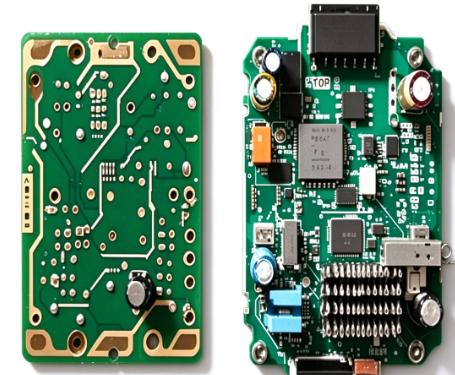
If you are shopping around for electronics manufacturing, you have probably run into two terms that look nearly identical: PCB and PCBA. In fact, the PCB vs PCBA question is one of the most common we hear from buyers.
This guide breaks down exactly what a PCB is, what a PCBA is, how they differ, and why that difference matters when you are sourcing from a manufacturer like Volectronics Tech Co., Ltd.
1. What Is a PCB?
PCB stands for Printed Circuit Board. It is the bare board itself — the physical foundation of nearly every electronic device.
A PCB is a flat board, typically made of a non-conductive substrate (usually fiberglass, often FR-4) with thin copper traces laminated onto its surface. Those copper traces create the electrical pathways that connect different components together. The board may also include:
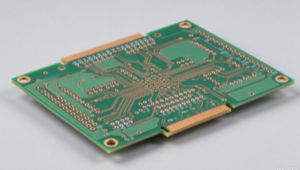
- Solder mask— the protective green (or other colored) coating that prevents solder bridges and corrosion
- Silkscreen— the printed labels that mark component locations and reference designators
- Surface finish— such as HASL, ENIG, or OSP, which protects the exposed copper pads
- Copper layers— single, double, or multi-layer, depending on the complexity of the circuit
On its own, a PCB is just a board with copper pathways. It does nothing by itself — it has no components, no function, and cannot run or power anything. It is a blank canvas waiting for parts to be mounted.
2. What Is a PCBA?
PCBA stands for Printed Circuit Board Assembly (or PCB Assembly). This is the completed, functional board after all the components have been soldered onto the bare PCB.
During the PCBA process, electronic components such as resistors, capacitors, integrated circuits (ICs), connectors, and other parts are placed onto the board and permanently attached. This is done through techniques like:
- SMT (Surface Mount Technology)— components are placed on the surface and reflow-soldered
- THT (Through-Hole Technology)— components with leads are inserted into holes and wave-soldered
- Mixed assembly— a combination of both, common in complex or high-reliability boards
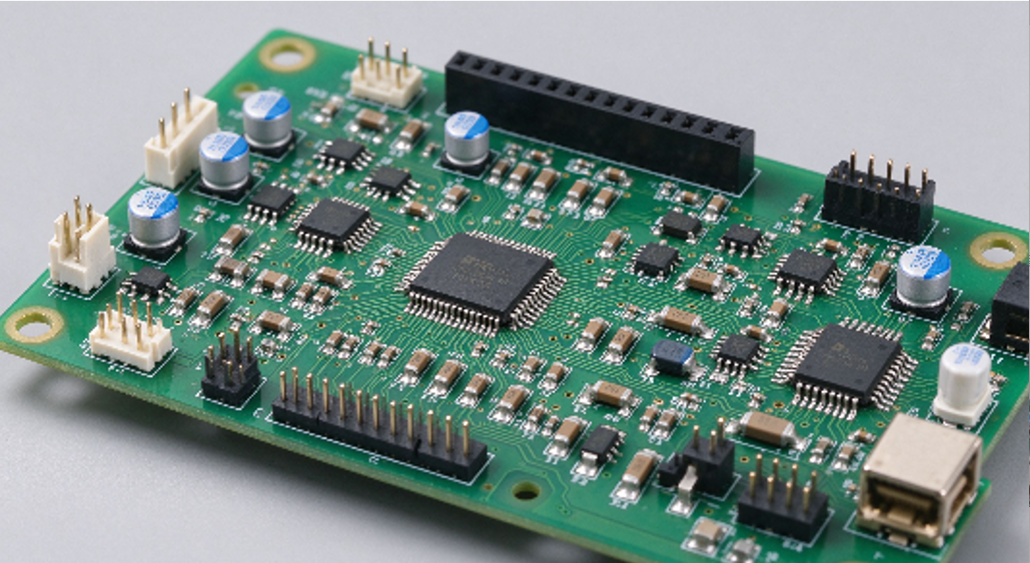
When a PCB has been fully populated and tested, it becomes a PCBA — a board that actually performs a function. This is the “heart” that goes inside your device.
3. Key Differences Between PCB and PCBA
| Aspect | PCB (Printed Circuit Board) | PCBA (PCB Assembly) |
| What it is | The bare, unpopulated board with copper traces | The board after components are soldered on |
| Function | Provides the physical and electrical foundation only | A functional, working circuit that performs a task |
| Components | None — empty board | Fully populated with resistors, ICs, connectors, etc. |
| Manufacturing stage | Produced in the PCB fabrication (board house) stage | Produced in the assembly (EMS) stage |
| Testable | Only electrical continuity of traces | Full functional testing (ICT, FCT, AOI, etc.) |
| Cost | Lower — board materials and processing only | Higher — includes components, placement, soldering, testing |
| Supplier | A PCB fabricator | An assembly house, or a one-stop manufacturer that does both |
4. Why the Difference Matters
This is not just a vocabulary exercise. The distinction between PCB and PCBA changes how you plan, quote, and manage your production in several practical ways.
1). You Are Buying Different Products from Different Capabilities
A bare PCB and a fully assembled board are produced by two very different operations. Fabricating a board requires a board house with etching, lamination, and drilling capabilities. Assembling it requires placement machines, reflow ovens, solder paste, and test equipment.
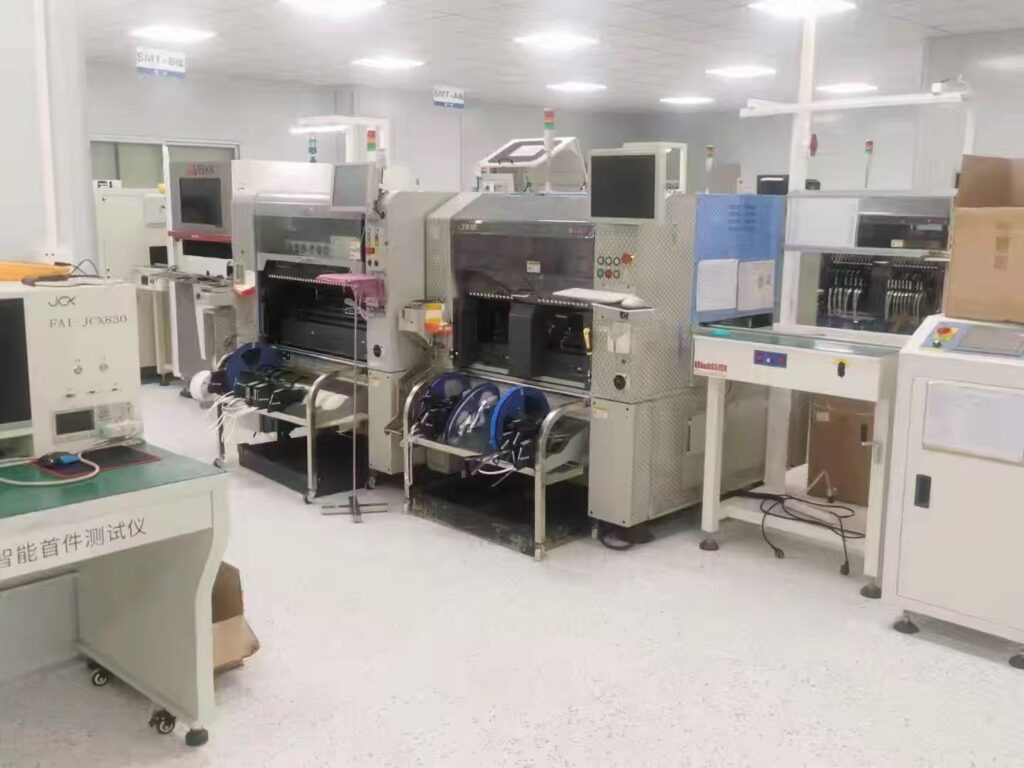
If you need a finished, working board, you should source from a manufacturer that handles both fabrication and assembly. This is why a one-stop PCB/PCBA manufacturer — such as Volectronics Tech Co., Ltd in Shenzhen — is often the easier choice: it removes the back-and-forth between two separate suppliers.
2). Quoting Is Completely Different
When you ask for a price on a PCB, you are quoting board area, layer count, material, and surface finish.
When you ask for a price on a PCBA, the cost is dominated by the bill of materials (BOM) — the components themselves. Component availability, sourcing, and even market price swings can move a PCBA quote far more than the board cost itself. If you confuse the two, you will either underestimate your budget or get a misleading quote.
3). Reliability and Testing Are Only Meaningful for a PCBA
You cannot functionally test a bare PCB — there is nothing on it to test beyond trace continuity. The real quality story happens at the assembly stage, where:
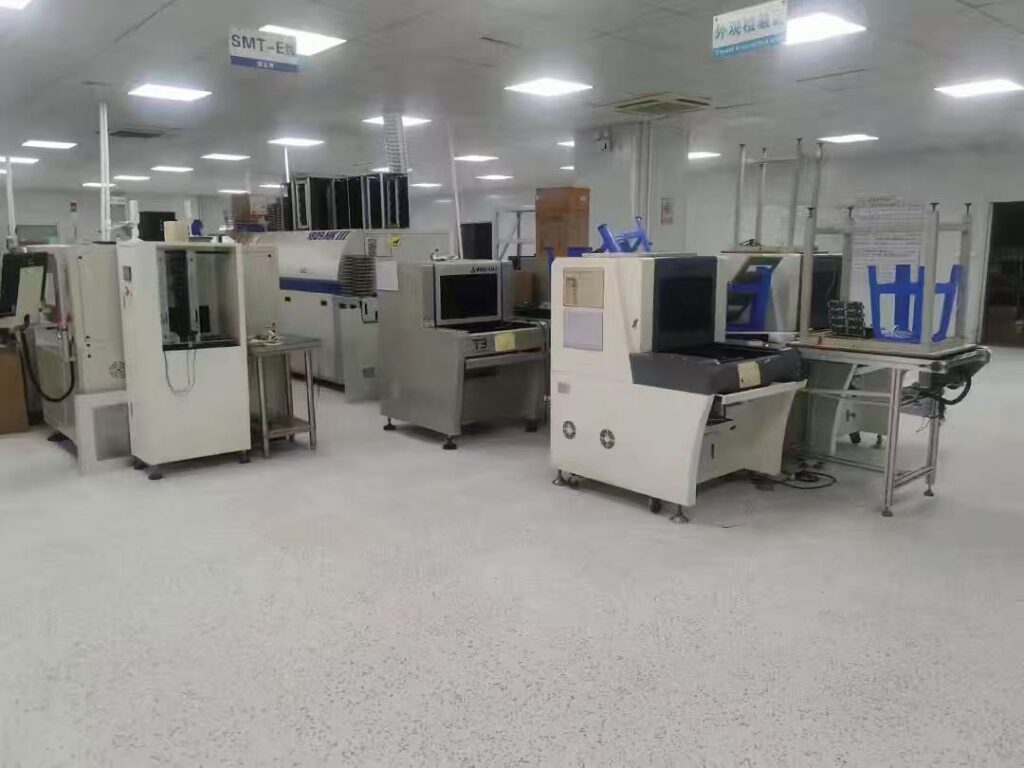
- AOI (Automated Optical Inspection)checks solder joints
- ICT (In-Circuit Testing)verifies each component is correct
- FCT (Functional Circuit Testing)confirms the board works as designed
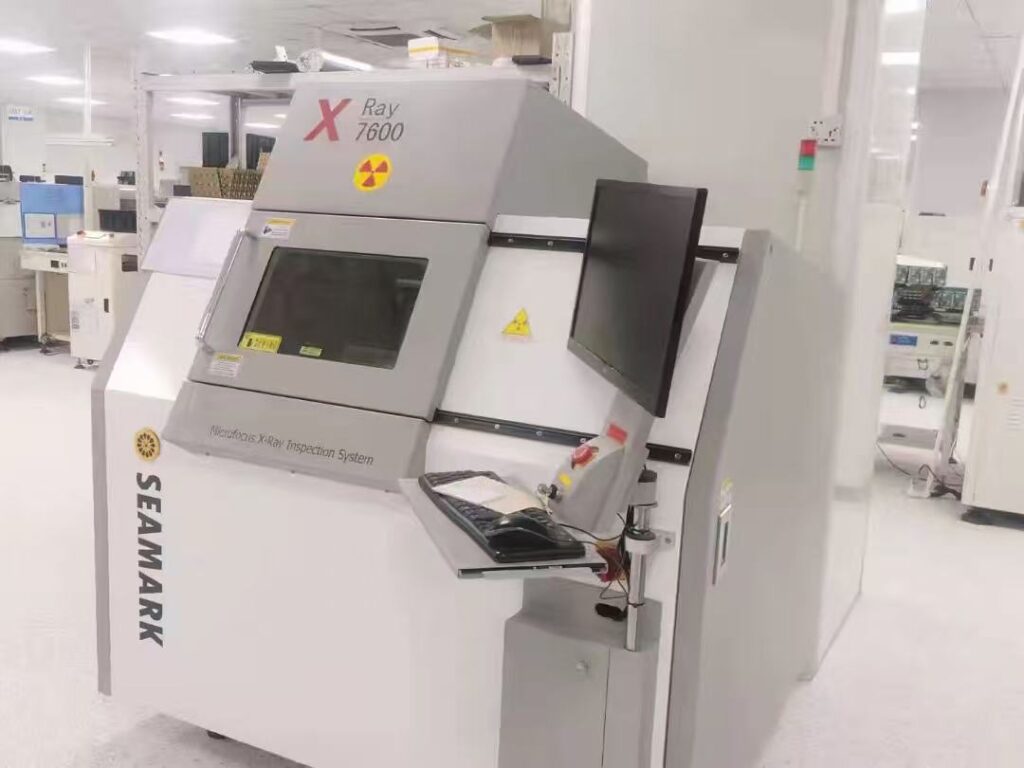
When you compare suppliers on quality, you are really comparing their assembly and test capabilities. This is where the experience of your PCBA partner matters most.
4). Lead Time Differs
A bare PCB can often be produced quickly, because it is a purely mechanical fabrication process. A PCBA adds component procurement — and component lead times are often the longest and most unpredictable part of the entire schedule. Understanding this helps you plan your project milestones realistically.
5). Design for Manufacturing (DFM) Is Critical
Whether you need a PCB or a PCBA, the design has to be manufacturable. But for a PCBA, DFM gets more demanding: pad sizes, solder paste apertures, component clearances, and thermal relief all affect whether the assembly runs smoothly and reliably. A good partner reviews your files before production and flags issues before they cost you money.
5. How Do You Decide: PCB or PCBA?
The decision is usually straightforward:
- Choose PCB when you only need the bare boards — for example, if you do your own component placement in-house, or you need boards for prototyping and development.
- Choose PCBA when you want a complete, tested, ready-to-integrate board that you can drop straight into your product.
In practice, most product companies order PCBAs because they want finished, working boards without building their own assembly line.
6. Frequently Asked Questions
✔ Is a PCBA a PCB?
No. A PCB is the bare board. A PCBA is the same board after components are soldered on. Every PCBA starts as a PCB, but not every PCB becomes a PCBA.
✔ Which is more expensive, PCB or PCBA?
A PCBA is significantly more expensive because it includes the components, assembly labor, and testing — not just the board itself.
✔ Can one company make both PCBs and PCBAs?
Yes. Many manufacturers, including Volectronics Tech Co., Ltd in Shenzhen, offer one-stop PCB fabrication and PCBA assembly, which simplifies sourcing and improves quality control.
✔ What does “bare board” mean?
A “bare board” is another name for a PCB — a board with copper traces but no components mounted on it.
7. Getting the Right Board for Your Product
Understanding the difference between a PCB and a PCBA is the first step to a smooth, cost-effective project. The second step is choosing the right partner.
At Volectronics Tech Co., Ltd, we are a Shenzhen-based PCB and PCBA manufacturer offering one-stop service — from PCB fabrication to component sourcing, SMT/THT assembly, and functional testing. Whether you need bare boards or fully assembled, tested PCBA modules,welcome to contact us.Get a quote for your project →